The Pros and Cons of Using Credit Cards to Build Credit
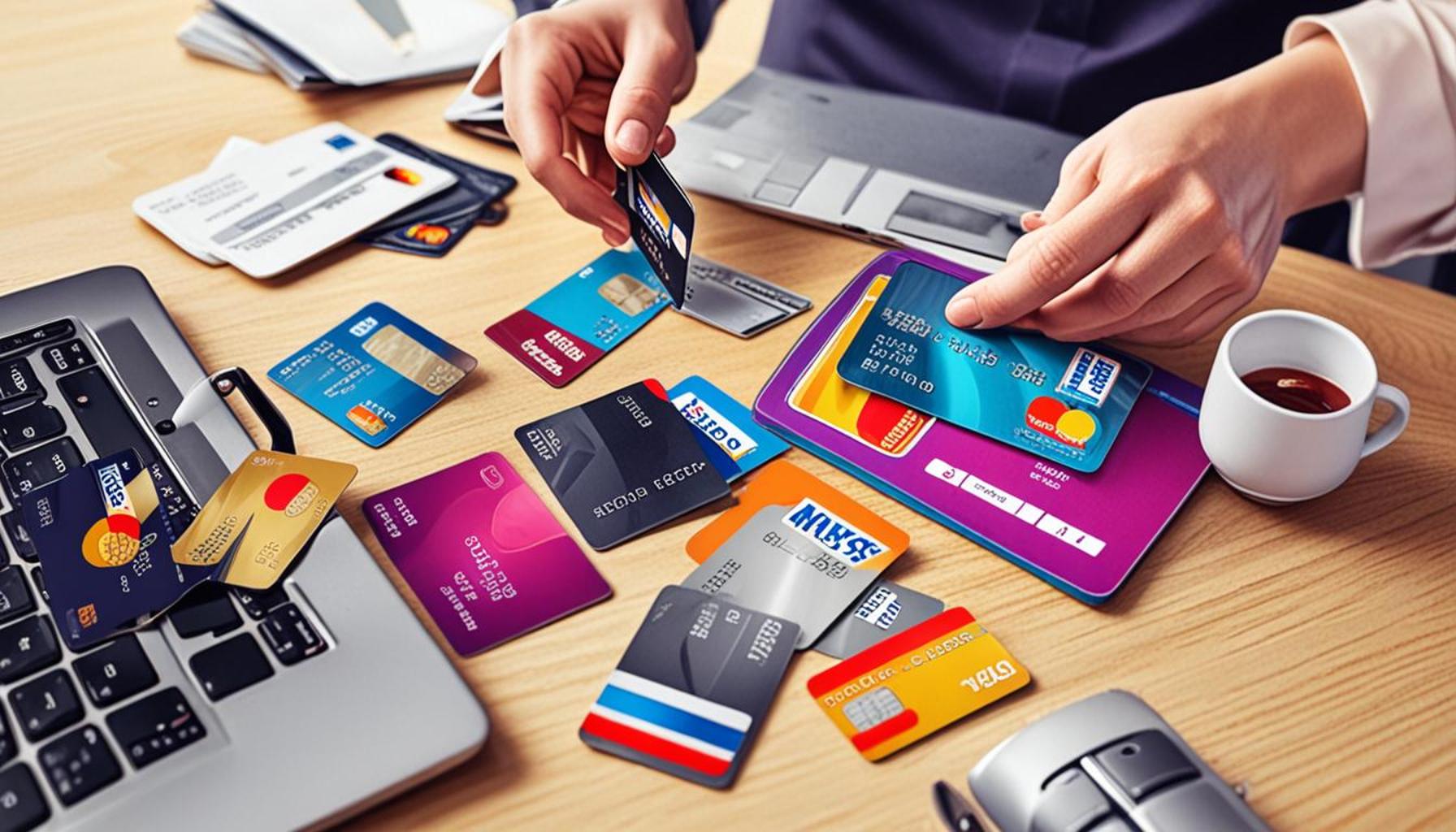
Credit cards can be incredibly beneficial when used effectively, allowing consumers to build a solid credit history that is advantageous for future financial endeavors. For many, they represent a crucial stepping stone toward achieving larger financial goals, such as obtaining a mortgage or financing a car. However, it’s essential to grasp both the benefits and drawbacks associated with credit card usage to navigate this financial tool successfully.
Benefits of Using Credit Cards
- Build Credit History: Maintaining a credit card account and making timely payments are key factors in establishing a strong credit history. This history is not only seen by lenders but also reflects your reliability as a borrower. For instance, consistently paying your credit card bill on time can help improve your credit score significantly over time, which can lead to more favorable loan terms.
- Reward Programs: Credit cards are often equipped with enticing reward programs. Many companies offer cashback on purchases, travel points that can be redeemed for flights or hotel stays, and even exclusive discounts for cardholders. For example, if you use a cashback credit card for daily expenses, you might earn 1.5% back on every purchase, which adds up over time and can be spent however you like.
- Financial Flexibility: Unexpected expenses can arise at any moment—be it a medical bill, car repair, or an emergency home repair. Credit cards provide the flexibility to cover these unforeseen costs without having to dip into your savings or emergency funds. For instance, if your car breaks down, using a credit card to cover the repair bill allows you to manage your finances without stress, provided you plan to pay it off quickly.
Drawbacks of Using Credit Cards
- Debt Accumulation: One of the most significant risks associated with credit cards is the tendency to overspend. When consumers have access to credit, it can lead to impulse purchases and mounting debt. For example, if someone buys more than they can pay off within a billing cycle, they may carry a balance and incur high-interest charges, making the total cost of those purchases much higher than anticipated.
- Credit Score Risks: Failing to make timely payments or accumulating high balances relative to your credit limit can negatively impact your credit score. Even one late payment can stay on your credit report for up to seven years, diminishing your chances of securing favorable credit terms later. It’s pivotal to always strive to pay at least the minimum payment on time each month.
- Fees and Interest Rates: Many credit cards come with additional costs, such as annual fees, late payment fees, or cash advance fees. Moreover, if the balance isn’t paid off in full each month, interest rates can be exorbitant, adding to your overall debt burden. For example, a credit card with a 20% interest rate can quickly lead to significant financial strain if large balances are left unpaid.
By carefully considering these pros and cons, you can make informed decisions about how to use credit cards responsibly. This understanding will empower you to utilize credit cards to your advantage while avoiding common pitfalls. In subsequent sections, we will delve deeper into specific strategies and tips for managing your credit card usage effectively, paving the way for a healthier financial future.
LEARN MORE: Click here to discover how to apply
Understanding the Benefits of Credit Cards
When evaluating the use of credit cards as a means to build credit, it’s important to first consider the multitude of benefits they offer. Below are some of the most significant advantages that come with responsible credit card use:
- Build Credit History: Maintaining a credit card account and making timely payments are crucial for establishing a robust credit history. This history is a reflection of your reliability as a borrower in the eyes of lenders. For example, consistently paying your credit card bill on time can lead to a greater credit score over time. A higher credit score not only improves your profile for future credit applications but also increases your chances of securing favorable loan terms, such as lower interest rates or better repayment options.
- Reward Programs: Credit cards often come with attractive reward programs, enhancing the value of each purchase you make. Many companies offer rewards such as cashback on purchases, points towards travel, or exclusive discounts for cardholders. For instance, using a credit card that offers 2% cashback on groceries can help you save money on everyday expenses and effectively lower your overall spending, allowing you to maximize the benefits of routine shopping.
- Financial Flexibility: Life is full of unexpected expenses, and credit cards provide a layer of financial flexibility to handle these costs without depleting your savings. Whether it’s an urgent medical bill or an unexpected home repair, having access to credit allows you to manage unforeseen financial strains with ease. For example, if your air conditioning unit breaks down on a hot summer day, using a credit card can help you cover the repair costs without having to rush to your savings account. Just remember to pay off the balance as quickly as possible to avoid interest charges.
Weighing the Drawbacks of Credit Card Use
While the benefits of credit cards are considerable, it’s also essential to be aware of the potential drawbacks that come with them. Understanding these downsides can help you make more informed choices about credit card usage:
- Debt Accumulation: One of the most significant risks of using credit cards is the ease with which debt can accumulate. The convenience of credit can lead to impulse purchasing, which may result in spending beyond your means. For example, if you purchase a new laptop on credit without a plan to pay it off, you could end up carrying a balance. Over time, accumulating debt can lead to high-interest payments, making the total cost much steeper than the original purchase price.
- Credit Score Risks: An essential aspect of building credit is maintaining a good credit score. Failing to make timely payments or carrying high balances on your credit card can adversely affect your score. Even a single late payment can linger on your credit report for up to seven years, potentially limiting your ability to secure favorable terms for loans in the future. Therefore, it is crucial to prioritize timely payments and to remain aware of your outstanding balance.
- Fees and Interest Rates: Many credit cards have associated fees that can add to your financial burden. These may include annual fees, late payment fees, or cash advance fees. Furthermore, if you do not manage to pay off your balance in full each month, the interest rates on credit cards can be alarmingly high. For instance, a card with a 20% annual percentage rate (APR) can rapidly increase your debt if you carry a balance from month to month.
By weighing these pros and cons, individuals can take a measured approach to using credit cards as tools for building credit. Understanding the intricacies of credit can empower you to use these financial instruments wisely, fostering a healthier financial future. In the following sections, we will explore practical strategies for managing credit card usage to maximize benefits while minimizing potential pitfalls.
DISCOVER MORE: Click here to learn how to apply
Navigating the Challenges of Credit Card Management
As beneficial as credit cards can be, it’s essential to navigate the challenges that come with them effectively. Understanding how to manage your credit card usage responsibly can optimize your financial experiences while reducing stress. Below are some key considerations to keep in mind:
- Setting a Budget: Creating a budget is one of the foundational steps to managing credit card debt effectively. By assessing your income and expenses, you can allocate a specific amount for credit card purchases each month. This not only helps you avoid overspending but also ensures that you can make timely payments. For instance, if you budget $200 for groceries monthly and stick to it, you can use your credit card for those expenses while knowing you can pay off the balance in full at the end of the month.
- Understanding Credit Utilization: Credit utilization, which is the ratio of your credit card balances to your credit limits, plays a crucial role in your credit score. Keeping your utilization below 30% is often the advised benchmark. For example, if your credit card limit is $1,000, try to maintain a balance of no more than $300. Keeping your utilization rate low demonstrates to creditors that you manage your credit responsibly, which can positively impact your credit score.
- Utilizing Multiple Cards Wisely: Having more than one credit card can offer benefits such as increased credit limits and varied rewards programs. However, managing multiple cards requires discipline. For example, you might use one card for everyday purchases where you earn bonus points and another for emergencies. Although this can help you maximize rewards and maintain a healthy credit utilization ratio, it’s essential to avoid losing track of payments across multiple accounts.
- Taking Advantage of Grace Periods: Many credit cards feature a grace period, which is the time frame during which you can pay off your balance without incurring interest. Understanding how this works can save you money. For instance, if you make purchases throughout the month but pay your entire balance by the due date, you’ll avoid any interest charges. This strategy requires careful planning, particularly when managing your spending habits.
- Monitoring Your Statements and Credit Report: Regularly reviewing your credit card statements and checking your credit report can help you catch any unauthorized charges and assess your spending habits. Identity theft is a real concern, and by monitoring your accounts, you can quickly dispute any fraudulent activity. Additionally, reviewing your credit report at least once a year—often available for free from major credit bureaus—can help ensure your credit history accurately reflects your behavior.
Incorporating these strategies into your credit card management can mitigate potential downsides while taking full advantage of the benefits credit cards offer. As you navigate the complexities of credit, remember that informed decisions can create a positive impact on your overall financial health.
DON’T MISS: Click here to enhance your investing strategy
Final Thoughts on Credit Cards and Building Credit
In summary, using credit cards to build credit comes with a mix of advantages and disadvantages. On the positive side, credit cards can help establish a solid credit history, improve your credit score, and offer rewards and benefits that enhance your purchasing power. They provide a convenient and often necessary method for managing expenses and emergencies. However, the flip side also exists, with potential pitfalls such as accumulating high-interest debt, risking late payments, and harming your credit score through mismanagement.
By understanding both the pros and cons of credit cards, you empower yourself to make informed decisions. Implementing sound financial practices—like budgeting effectively, monitoring your credit utilization, and staying on top of payments—can transform your credit card experience into a tool for achieving your financial goals. Remember, building credit with credit cards is not just about usage; it’s about responsible management.
Ultimately, consider your financial habits and lifestyle before diving into credit card usage. With the right approach, credit cards can serve as a stepping stone towards improved financial health, paving the way for favorable loan terms and greater financial opportunities in the future. Stay informed, stay disciplined, and enjoy the benefits that well-managed credit can bring.

Linda
Linda Carter is a writer and financial expert specializing in personal finance and financial planning. With extensive experience helping individuals achieve financial stability and make informed decisions, Linda shares her knowledge on the our platform. Her goal is to empower readers with practical advice and strategies for financial success.